The problem: a plausible activity is not enough
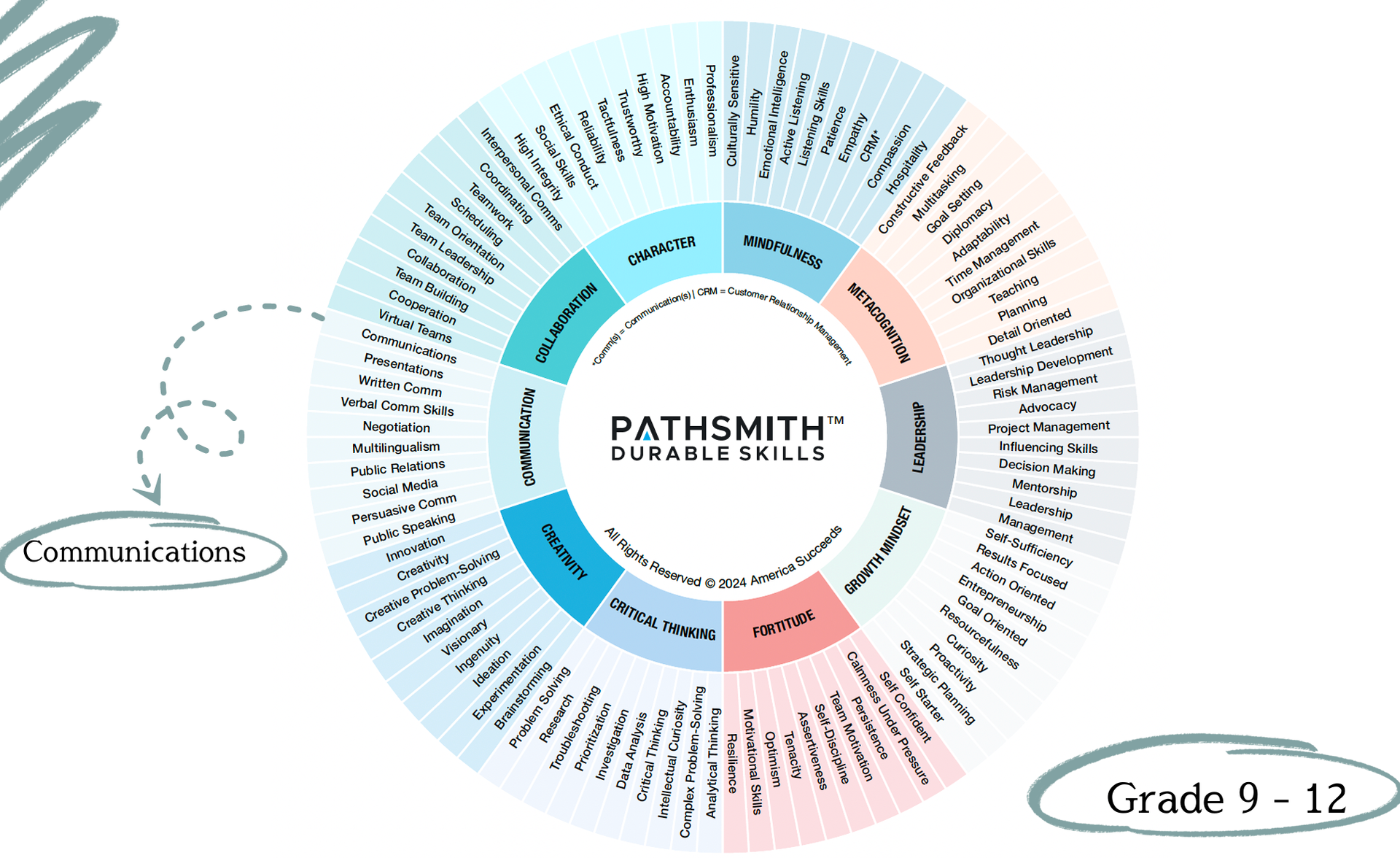
An AI-generated classroom activity can sound engaging without producing evidence a teacher can assess. During a January 2026 practicum with Imagine Learning, we explored how to translate communication competencies into usable instructional tasks.
The scope decision
The engagement lasted five days, with a demo four days away. I helped narrow a broad K–12 concept to Grades 9–12 and a focused communication construct, and explained the decision to the client.
From learning goal to system behavior
Using Evidence-Centered Design, we connected a competency to observable evidence and then to task constraints. For example, a task needed to make an individual student's communication visible even when students worked in pairs or small groups.
Those constraints informed the customized GPT's instructions. The prototype included task structure and implementation materials so teachers could see how an activity would work in practice.
My contribution and outcome
My work combined scoping, prompt and constraint design, and communicating the reasoning behind our choices. The team delivered a proof of concept and supporting materials during the practicum.
The engagement is complete. The prototype demonstrates a design approach; classroom adoption and learning gains were not established.